After law enforcement releases a crime scene in Los Angeles, the property owner or authorized representative is responsible for arranging professional cleanup. Police and the coroner do not clean the property. A professional trauma remediation team handles blood, bodily fluids, and affected materials using regulated procedures, appropriate PPE, and proper waste disposal through California-compliant channels.
Understanding Scene Release in Los Angeles
Many Los Angeles property owners are surprised to learn that once detectives, forensic teams, and the coroner complete their work, the property is released back to the owner — often with all contamination still in place. Law enforcement agencies in Los Angeles County, including LAPD and the LA County Sheriff's Department, are responsible for the investigation, but cleanup is not part of their scope.
This applies equally to homeowners in neighborhoods from Silver Lake to Woodland Hills, landlords managing rental units across the San Fernando Valley, and commercial property owners along Wilshire Boulevard or in the downtown Arts District. The moment the scene is released, the clock starts on addressing contamination before it causes further damage to building materials.
After police release a Los Angeles property, the owner is responsible for cleanup. Professional remediation teams handle blood, bodily fluids, and contaminated materials using regulated procedures that household cleaning products cannot match.
Why Professional Remediation Is Needed After a Crime Scene
Household cleaning products and standard janitorial services are not sufficient for crime scene contamination. Blood and bodily fluids can penetrate porous materials like hardwood flooring, carpet padding, drywall, and concrete — materials found throughout Los Angeles homes ranging from 1920s Craftsman bungalows in Pasadena to modern construction in Playa Vista.
- Porous material absorption: Blood can soak through carpet into padding, subfloor, and even concrete within minutes, creating layers of contamination that surface cleaning cannot reach
- Cross-contamination risk: Without proper containment, foot traffic and cleaning attempts can spread contamination to unaffected areas of the property
- Odor development: Los Angeles temperatures — which regularly exceed 90°F in the San Fernando Valley and Inland portions of the county — accelerate decomposition and odor penetration into building materials
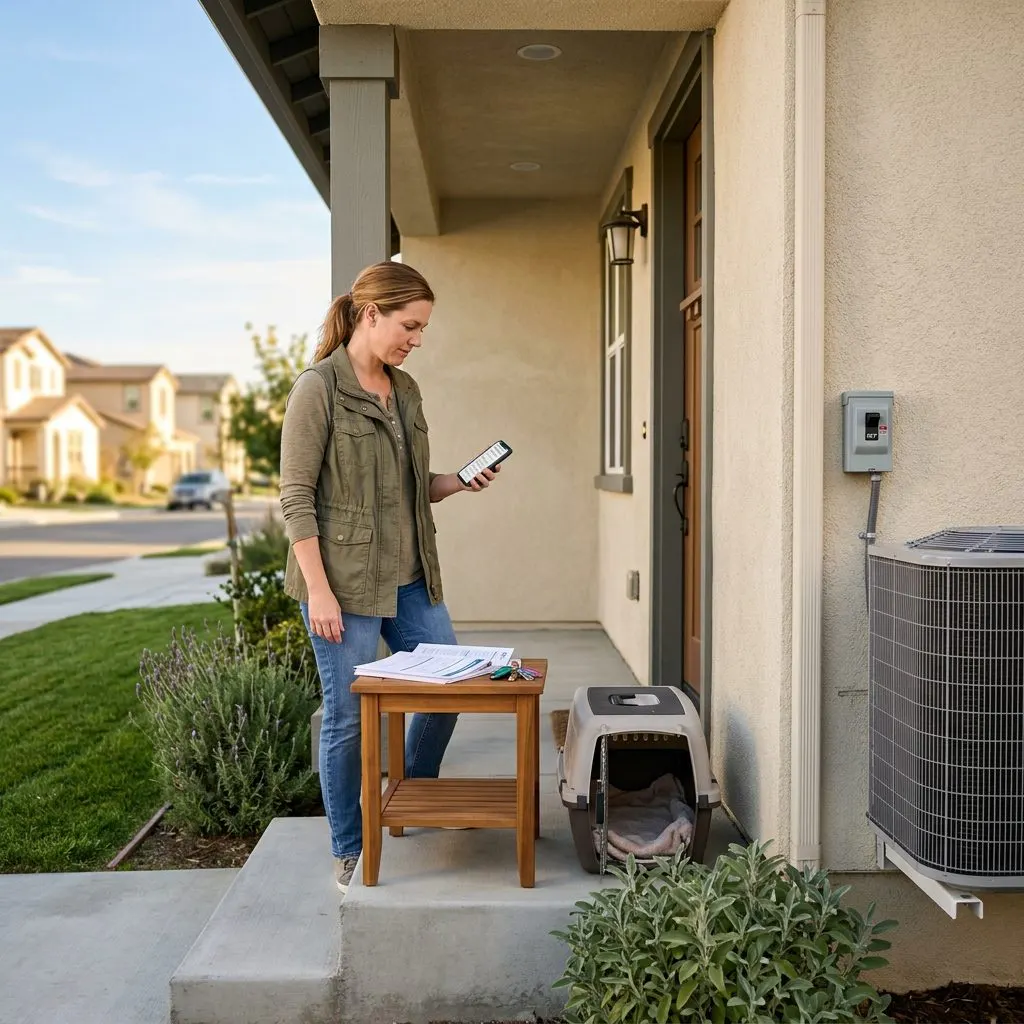
Before the remediation team arrives, avoid entering the affected area, turn off HVAC systems to reduce odor migration, secure pets and children away from the space, and have your insurance policy number ready if you plan to file a claim.
What a Professional Cleanup Team Actually Does
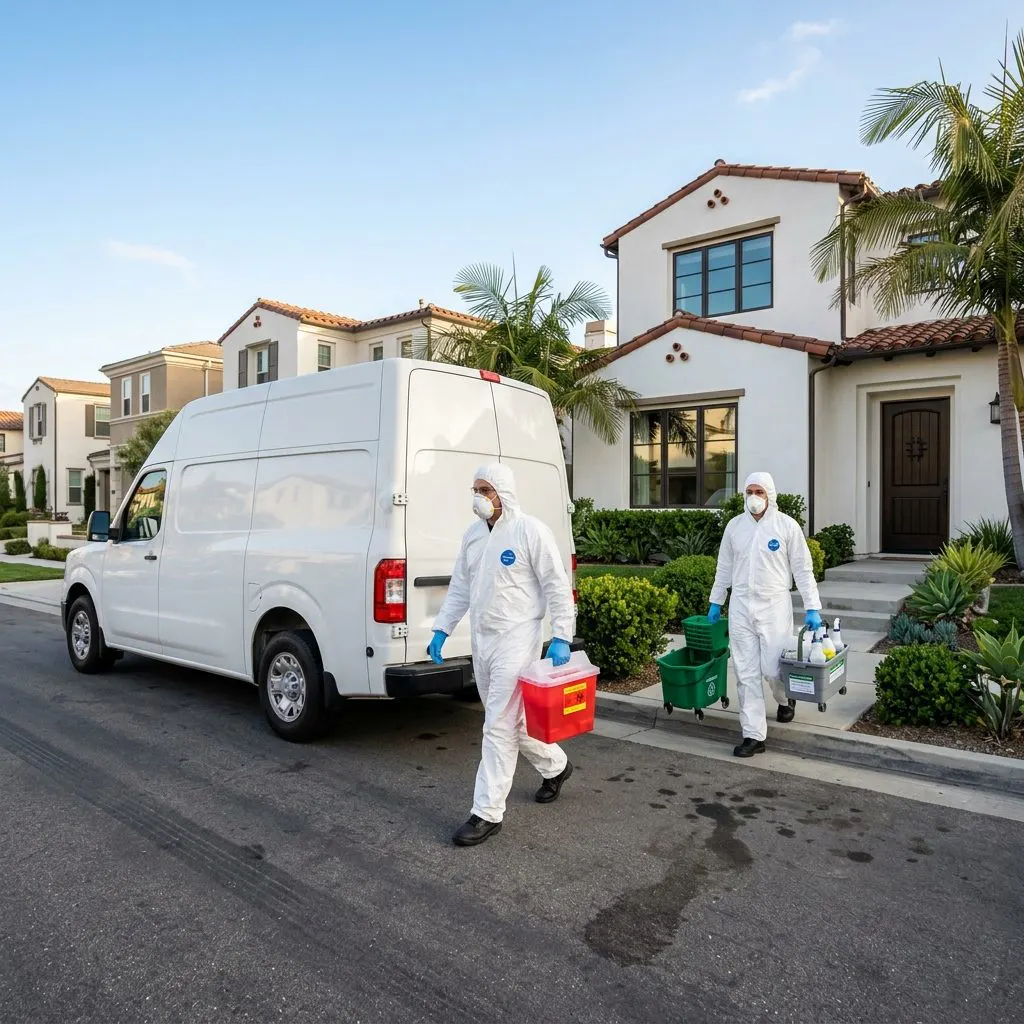
A professional trauma remediation team assesses the full extent of contamination, establishes containment to protect unaffected areas, removes affected porous materials that cannot be adequately cleaned, applies EPA-registered disinfectants appropriate for the target organisms and compatible with the surfaces, and packages all regulated trauma scene waste for transport by a registered hauler to a permitted treatment facility. The team documents the scope of work, which can support conversations with insurance providers.
Investigation and cleanup serve different purposes. Once law enforcement completes their work and releases the scene, professional remediation protects both the property and the people who will eventually return to it.
Los Angeles Property Considerations That Affect Cleanup
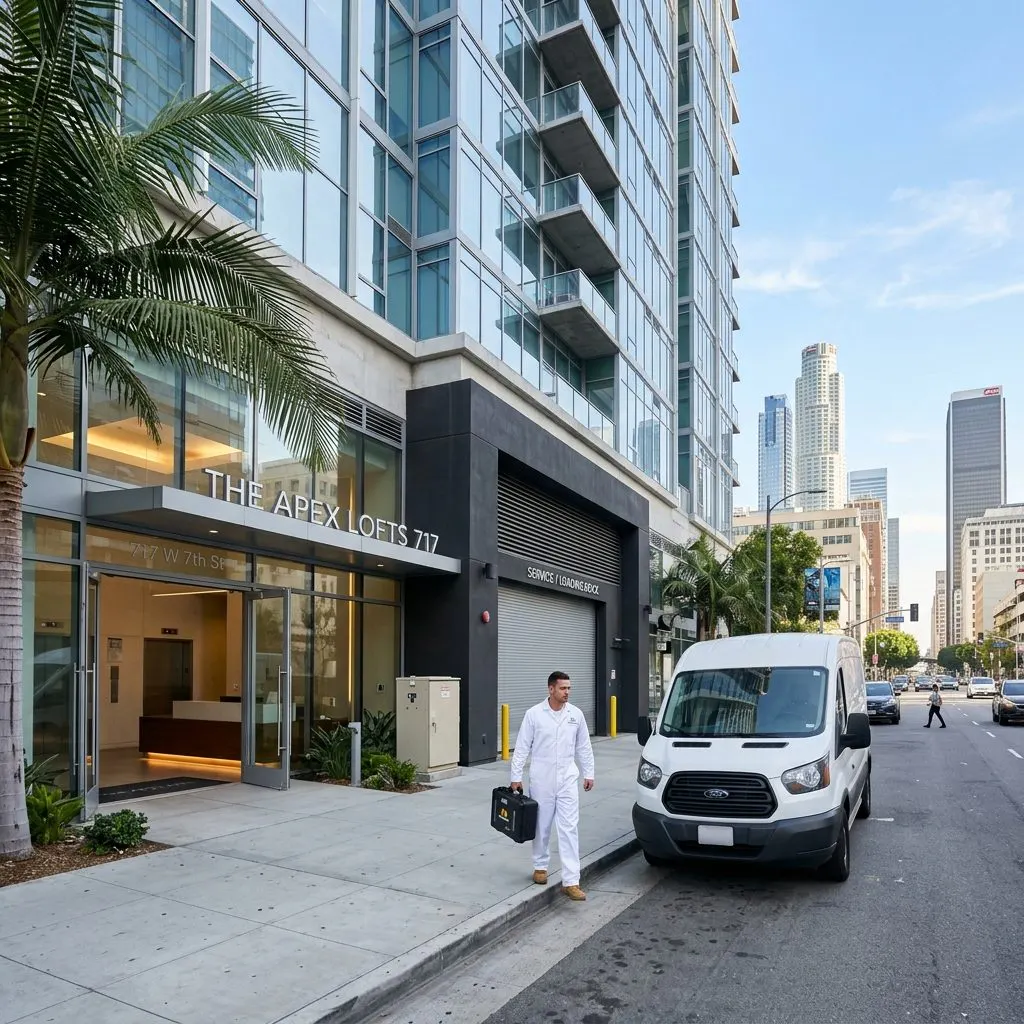
The diversity of Los Angeles property types creates unique challenges for each situation. A single-family home in the Hollywood Hills may have limited road access for service vehicles, while a multi-unit apartment building in Koreatown requires coordination with building management for elevator access, hallway protection, and tenant privacy.
Commercial properties along major corridors like Sunset Boulevard or in business parks near LAX may need after-hours scheduling to minimize business disruption. Properties managed by HOAs in areas like Century City or Westchester require advance coordination for gate access, parking, and vendor approval. Our California trauma scene cleaning services are structured to accommodate these varied access requirements across the greater Los Angeles area.
Frequently Asked Questions
Final Thoughts
When a crime scene is released in Los Angeles, the property owner faces an unexpected responsibility. Professional remediation teams exist specifically for this moment — to handle the contamination, protect the structure, and help the property move toward recovery. Understanding the difference between investigation and cleanup is the first step toward making informed decisions during an already difficult time.