Trauma remediation in San Diego condominiums requires containment to prevent cross-contamination through shared walls, protection of common hallways during equipment transport, coordination with HOA management for vendor access, and careful attention to neighbor privacy. Professional teams assess whether contamination has migrated to adjacent units through wall cavities, utility penetrations, or shared HVAC systems.
Shared Wall and Ventilation Risks in San Diego Condos
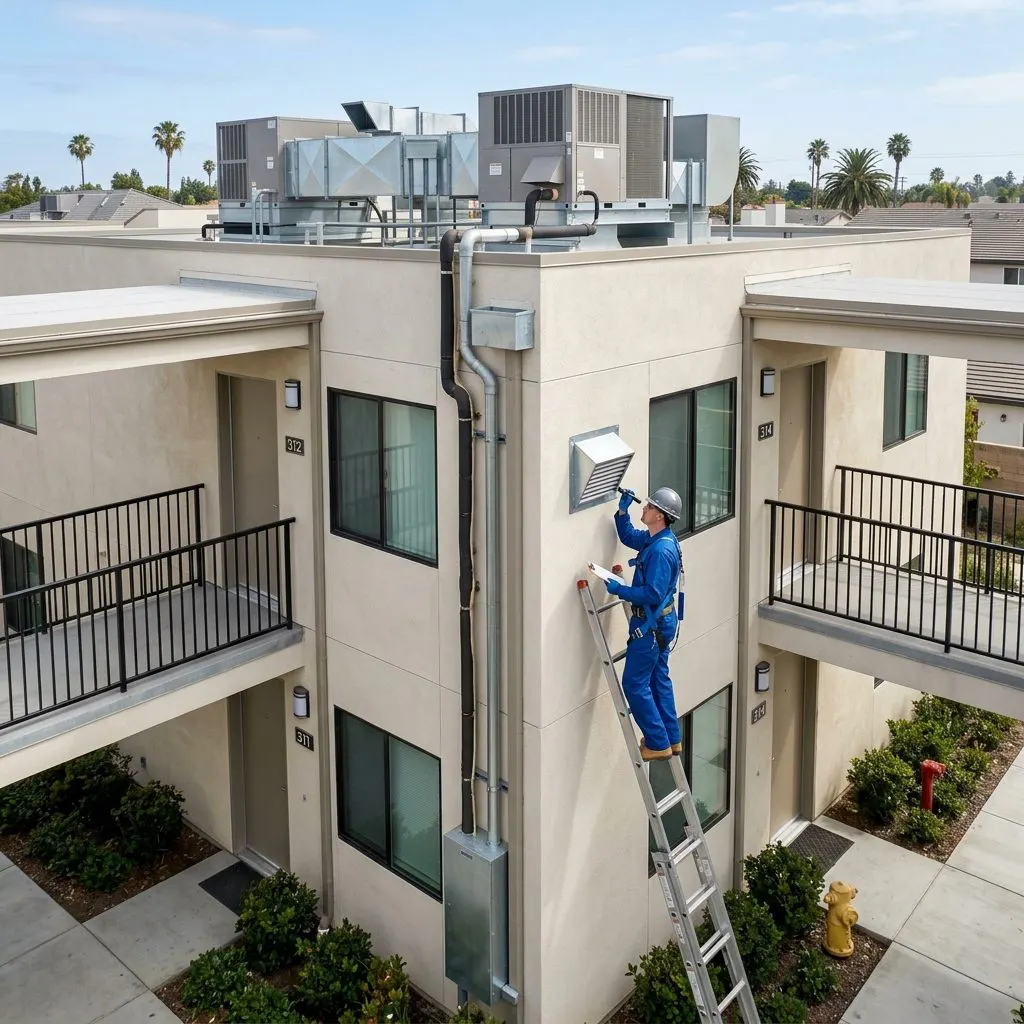
San Diego condominium complexes — from the high-rises along Harbor Drive to the garden-style communities in Mission Valley and the coastal condos in Oceanside — share structural elements that can allow contamination to migrate between units. Shared walls may have utility penetrations for plumbing, electrical, or HVAC systems that create pathways for both fluid and odor migration.
When blood or decomposition fluids reach a shared wall, they can travel through gaps around plumbing lines, electrical conduit, and baseboard edges into the neighboring unit. Similarly, odor can move through shared ductwork or wall cavities to affect residents who had no awareness of the original incident. Professional assessment must evaluate not just the affected unit but the potential for migration to adjacent spaces.
San Diego condominiums require multi-unit awareness during trauma cleanup. Shared walls, common ventilation, and HOA protocols all influence how professional remediation teams plan and execute the work.
HOA Coordination and Building Access
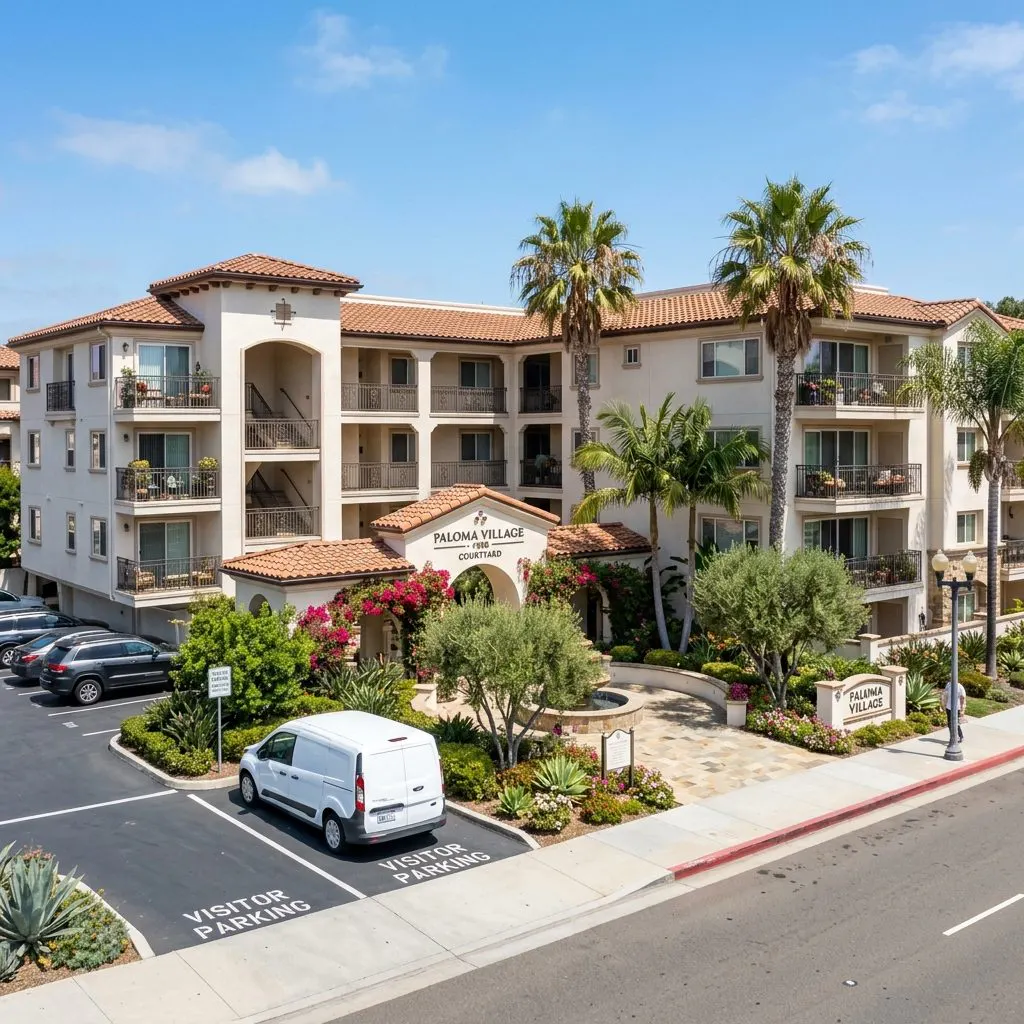
Nearly every San Diego condominium complex is governed by an HOA with specific vendor access requirements. Remediation teams must navigate these protocols efficiently:
- Vendor registration: Most San Diego HOAs require insurance certificates, vehicle information, and advance scheduling. Some communities with tight parking (like older Pacific Beach or Mission Beach condos) have specific loading zone rules
- Common area protection: The HOA has a legitimate interest in protecting shared hallways, elevators, and common areas from contamination exposure during equipment and waste transport
- Work hour restrictions: Many condo HOAs restrict work to specific hours, which can be negotiated for emergency remediation but requires direct communication with the management company
If you smell an unusual odor in your condo unit and suspect it may be coming from an adjacent unit through a shared wall, contact your HOA management immediately. Early identification and response can significantly reduce the scope of remediation needed.
Protecting Neighboring Unit Privacy
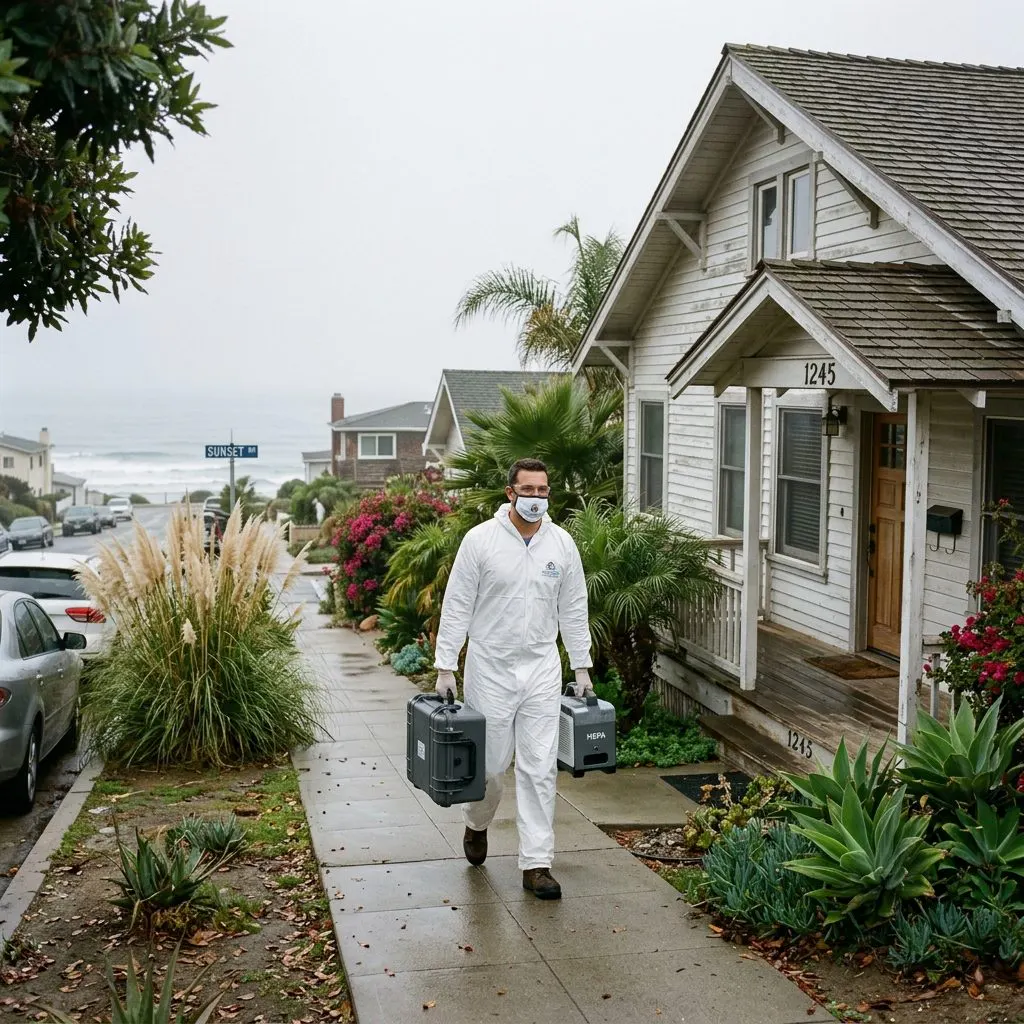
In a condominium setting, neighbors are in close proximity and may notice cleanup activity. Professional teams use unmarked vehicles, carry equipment in non-descript sealed cases, and install containment barriers at the unit entrance that look similar to standard renovation activity. The goal is to complete the work without drawing unnecessary attention or creating anxiety among neighboring residents. Our residential and commercial trauma cleaning teams are experienced with the discretion requirements of shared-wall communities throughout San Diego County.
A condominium is a shared living environment. When contamination occurs in one unit, the professional response must account for every unit that could be affected — not just the one where the incident happened.
When Contamination Reaches Adjacent Units
If assessment reveals that contamination has migrated to a neighboring unit — through a shared wall, utility chase, or ductwork — the situation becomes more complex. The neighboring unit owner must be contacted, access authorized, and the scope of work expanded. In San Diego condominiums, this may involve coordination between multiple unit owners, the HOA, and potentially multiple insurance policies.
This scenario is most common in older San Diego condominiums in areas like Clairemont, Kearny Mesa, or El Cajon where construction techniques from the 1970s and 1980s may include less effective separation between units. Modern construction typically provides better isolation, but no shared-wall building is completely immune to cross-unit contamination, especially when unattended death remediation is needed after a delayed discovery.
Frequently Asked Questions
Final Thoughts
Trauma remediation in a San Diego condominium is never just about the individual unit. Shared walls, common ventilation systems, and close-proximity neighbors all factor into the planning and execution of professional cleanup. Understanding these multi-unit realities helps condominium owners, HOA managers, and families make better decisions when a difficult situation arises.