San Diego coastal humidity — especially in neighborhoods from Ocean Beach to Encinitas — causes decomposition odors to penetrate deeper into porous materials like drywall, wood framing, and carpet padding. Moisture in the air carries odor molecules into wall cavities, subfloor layers, and soft furnishings. Effective remediation requires removing the source of the odor rather than masking it with surface treatments or air fresheners.
How Coastal Humidity Affects Decomposition Odor
San Diego's marine layer and coastal humidity — particularly in beachfront communities like La Jolla, Pacific Beach, Mission Beach, and Ocean Beach — create an environment where moisture in the air actively carries decomposition odor molecules deeper into building materials. Unlike dry inland climates where odor tends to stay closer to the source, humid coastal conditions cause odor to migrate through wall cavities, into HVAC ductwork, and along utility chases.
This means that even after the primary source of decomposition is addressed, odor can persist in materials several rooms away from the original location. Homes near the coast with older single-pane windows, unsealed crawl spaces, or original wood-frame construction are particularly susceptible to deep odor penetration.
San Diego coastal humidity drives decomposition odor deeper into building materials than dry climates. Surface treatments fail because they don't reach the source — effective remediation requires identifying and removing every contaminated material.
Why Surface Deodorization Fails in Humid Environments
Well-meaning attempts to manage decomposition odor with consumer air fresheners, ozone generators, or enzymatic sprays rarely succeed in San Diego coastal properties because they address the symptom — the smell — rather than the source.
- Air fresheners and candles: These mask odor temporarily but have no effect on contamination absorbed into building materials. Once the masking agent dissipates, the odor returns
- Ozone generators: While ozone can reduce airborne odor temporarily, it does not reach contamination that has penetrated subfloor layers, wall cavity insulation, or structural framing
- Enzymatic cleaners: These can help with surface contamination but cannot penetrate to the depth that decomposition fluids reach in porous materials, particularly when humidity has driven the contamination deeper
If you notice decomposition odor in rooms adjacent to the original location, it likely means contamination has migrated through wall cavities or HVAC systems. Report this to the remediation team during the initial assessment so they can evaluate the full extent.
Source Removal: The Only Reliable Approach
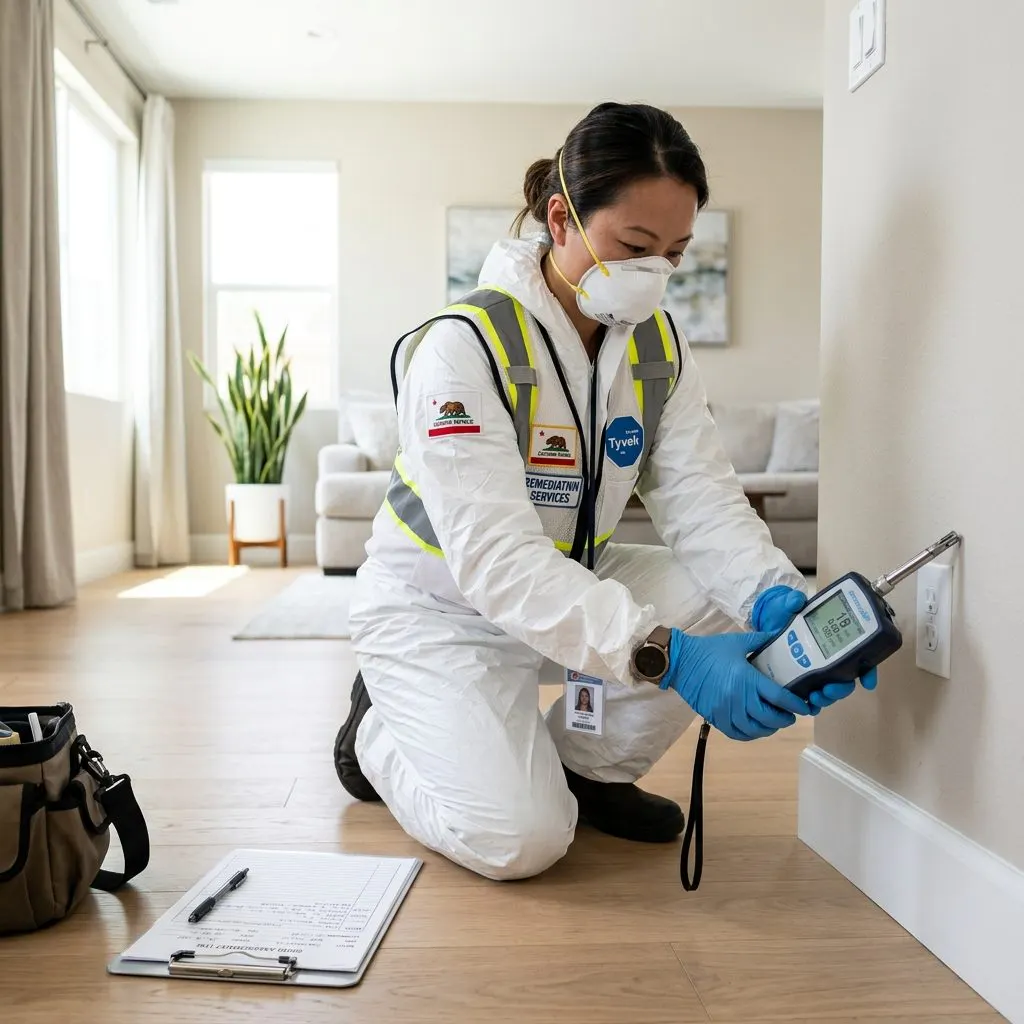
Effective decomposition odor remediation in San Diego coastal properties requires identifying and removing every material that has absorbed contamination. This may include carpet, padding, sections of subfloor, baseboards, lower portions of drywall, and in severe cases, portions of wall framing or insulation. Professional decomposition cleanup services include systematic assessment of all potentially affected materials, not just the visually obvious contamination.
In coastal San Diego, humidity does not just make the air feel heavy — it actively pushes contamination deeper into materials that dry inland climates would leave relatively untouched.
San Diego Property Types Most Affected by Humidity-Driven Odor
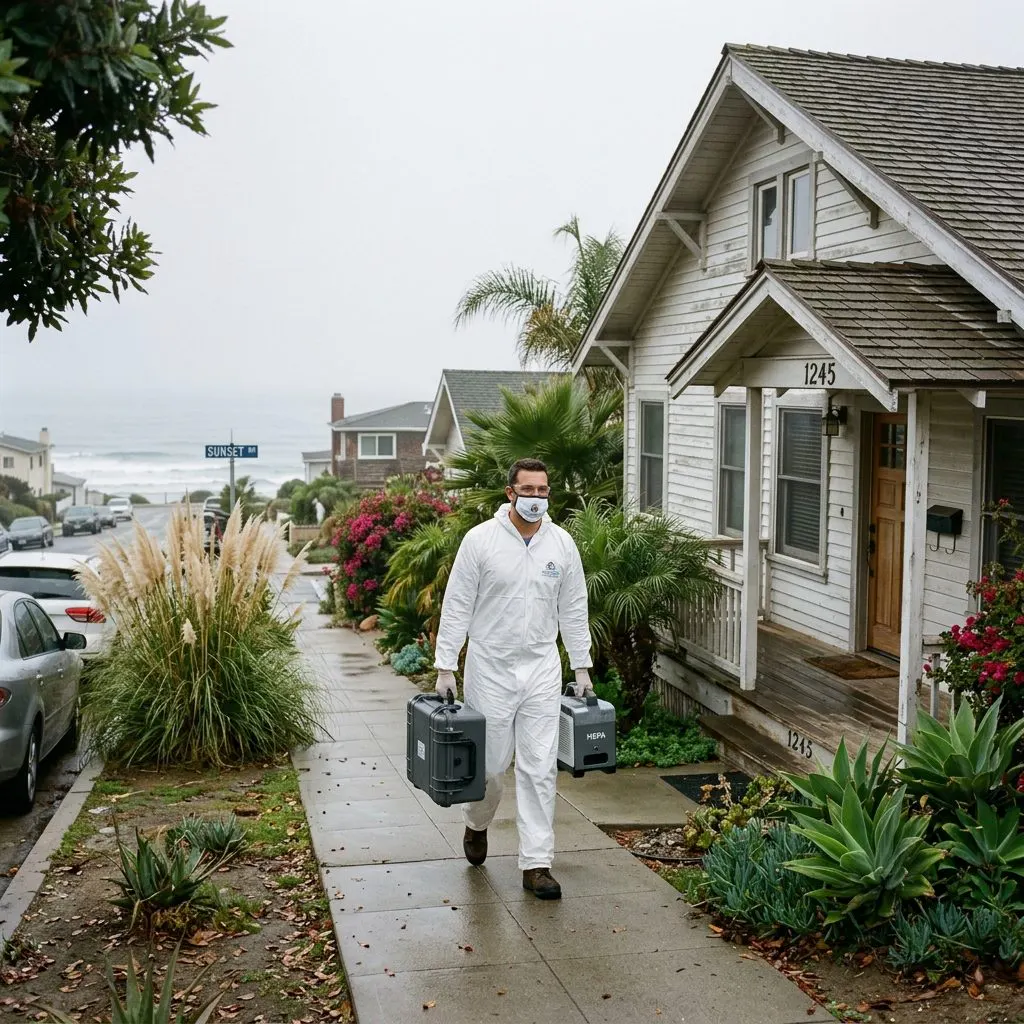
Not all San Diego properties respond the same way to humidity-accelerated odor migration. Older cottages and bungalows in communities like North Park, Hillcrest, and Normal Heights — many built before the 1960s with original wood construction and limited air sealing — are more susceptible than modern construction with engineered materials and tighter building envelopes.
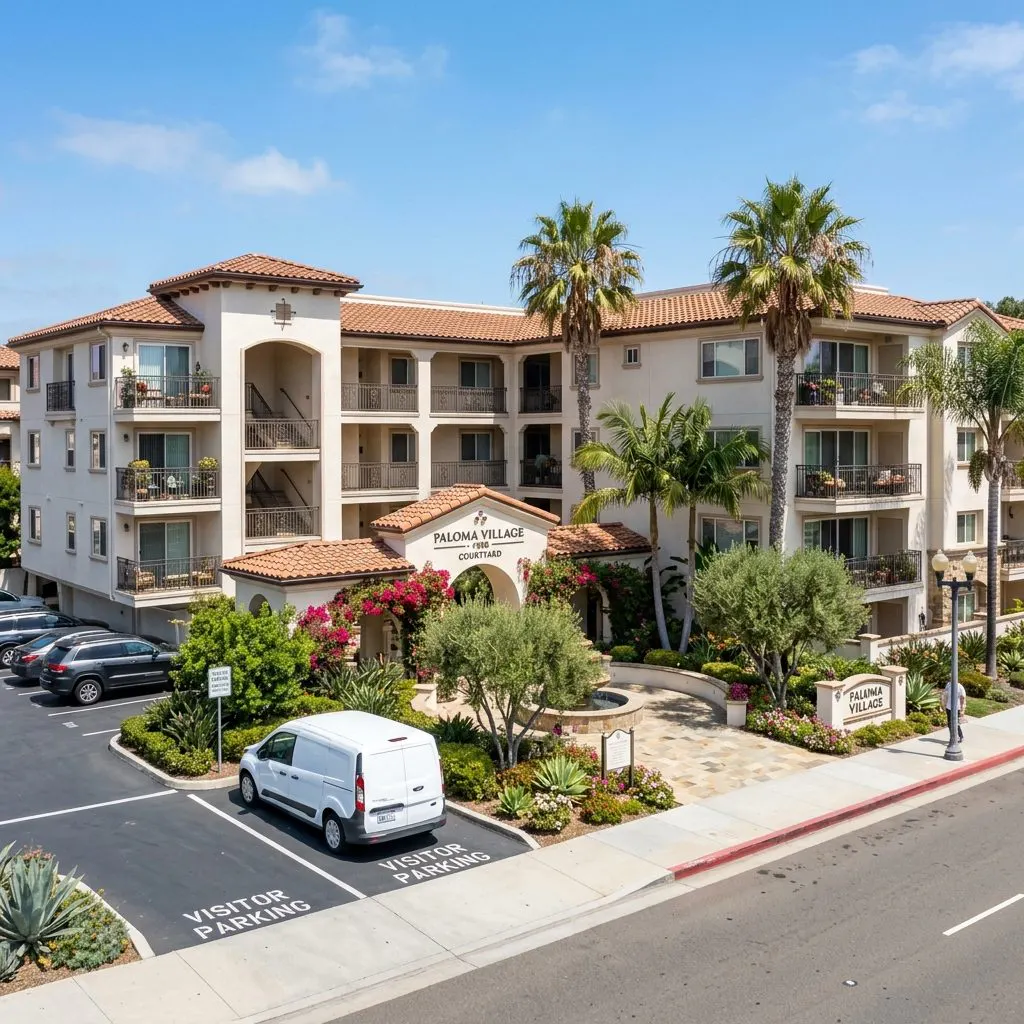
Condominiums and townhomes along the coast in Del Mar, Solana Beach, and Carlsbad may experience odor migration between shared walls, particularly through utility penetrations and shared HVAC systems. If you're dealing with odor that has spread beyond the original location, our discreet crime and biohazard remediation team can assess the full extent and develop an appropriate scope of work.
Frequently Asked Questions
Final Thoughts
San Diego's coastal climate creates a unique challenge for decomposition odor removal that inland properties rarely face. The humidity-driven migration of contamination into building materials means that effective remediation requires more than surface cleaning — it demands thorough source identification and removal. Property owners who understand this distinction can avoid the frustration of repeated failed deodorization attempts and invest in a solution that actually works.