Extreme heat in the Inland Empire — Riverside and San Bernardino counties — accelerates biological decomposition significantly, causing contamination to penetrate deeper into porous materials like carpet, wood subfloor, drywall, and insulation. When combined with the delayed discovery common in vacant or seasonal properties, the resulting contamination can extend well beyond the immediately visible area, requiring more extensive material removal and odor-source treatment.
Temperature and Decomposition: The Inland Empire Reality
The Inland Empire region — stretching from Ontario and Fontana through Riverside and down to Temecula — experiences some of California's most extreme summer temperatures. Cities like Palm Desert, Hemet, and Banning routinely see temperatures above 105°F during June through September. Even the more moderate western portions of the region around Corona and Rancho Cucamonga regularly exceed 95°F.
These temperatures have a direct effect on biological decomposition. Heat accelerates the process dramatically, meaning that contamination that might remain relatively contained in a mild coastal climate can spread through an entire room — or beyond — within days in an Inland Empire property. Fluids penetrate carpet, padding, and wood subfloor faster, and odors intensify and migrate through wall cavities and HVAC systems more rapidly.
Inland Empire heat doesn't just make cleanup unpleasant — it fundamentally changes the scope of remediation by driving contamination deeper into building materials and expanding the affected area beyond what cooler climates would produce.
Vacant Properties and Delayed Discovery
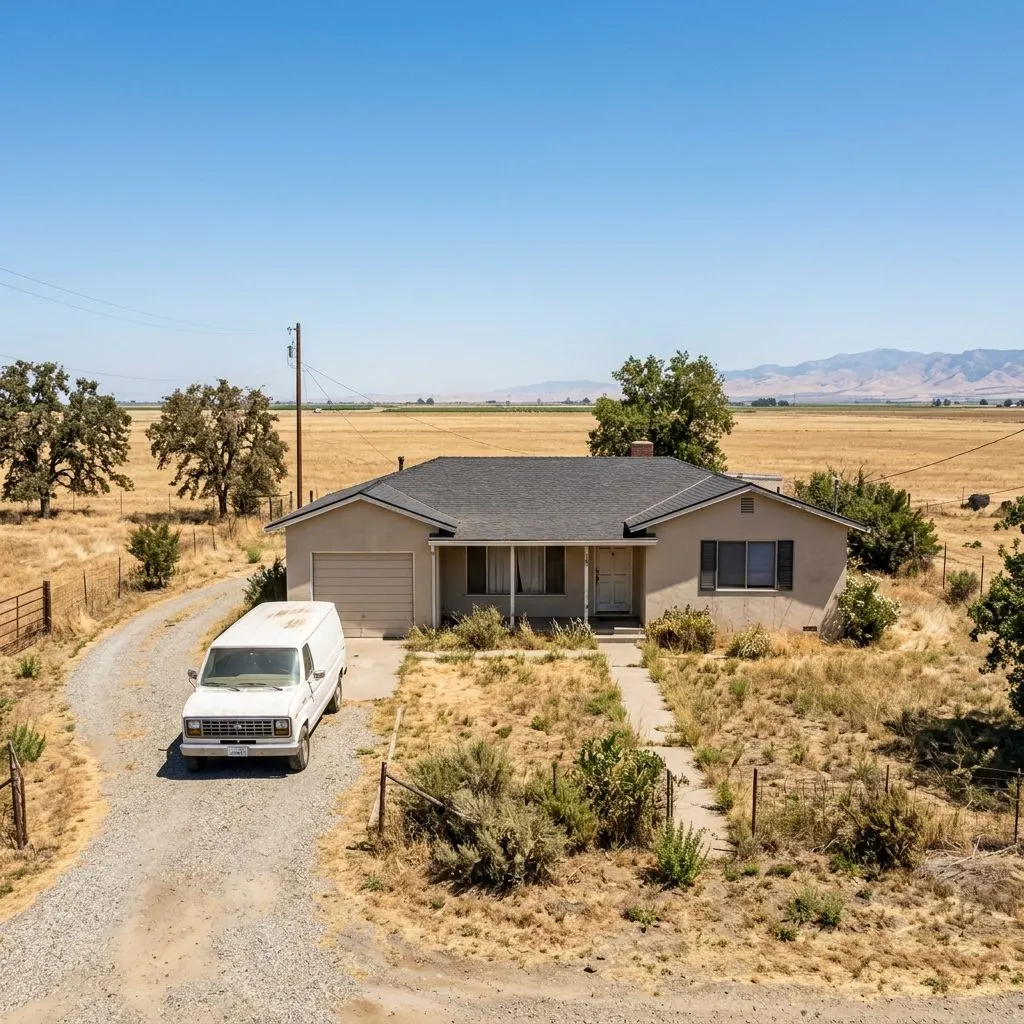
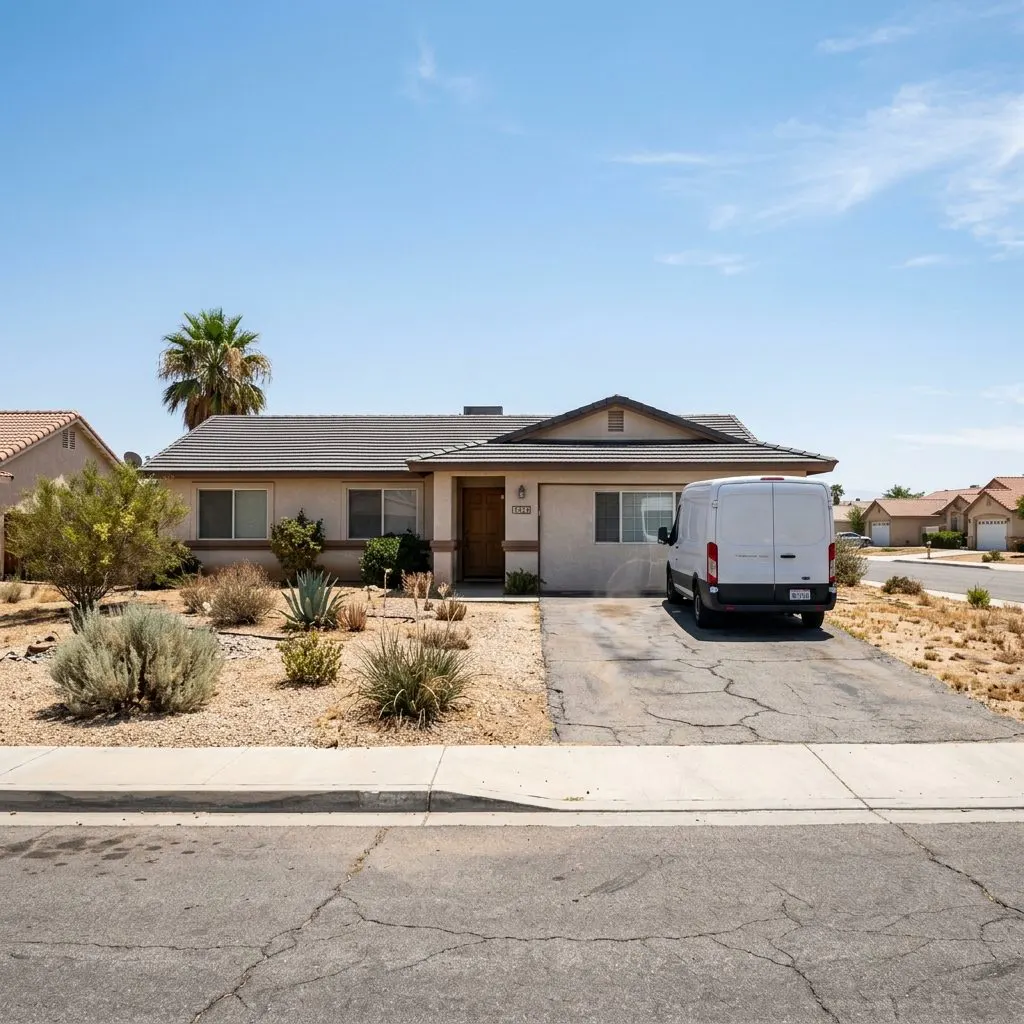
The Inland Empire's growth over the past two decades has created vast subdivisions where vacant homes, investment properties, and seasonal residences are common. In communities like Beaumont, Lake Elsinore, and Menifee, properties may sit unoccupied for weeks or months between tenants or during estate proceedings.
- Closed-up homes trap heat: An unoccupied home with closed windows and no air conditioning running can reach internal temperatures exceeding 120°F, creating an extreme environment for decomposition
- Discovery delays: When no one is checking the property regularly, discovery can be delayed by days or weeks, dramatically increasing the extent of contamination and the scope of professional remediation needed
- Utility shut-offs: Properties with disconnected power have no ventilation or cooling, concentrating odors and accelerating material degradation
If you manage vacant properties in the Inland Empire, regular wellness checks — even as simple as a weekly drive-by — can reduce discovery delays that allow heat-accelerated decomposition to cause extensive building damage.
Material Damage in Extreme Heat Conditions
In a heat-affected unattended death situation, contamination does not stay on the surface. Blood and decomposition fluids are driven into carpet backing, through padding, into wood or particle-board subfloor, and can even reach concrete slab foundations. Drywall absorbs contamination from floor level upward through capillary action. In severe cases, contamination can reach wall insulation and structural framing. Professional unattended death remediation in the Inland Empire typically requires more extensive material removal than the same situation in a cooler coastal environment.
A closed-up house in the Inland Empire during summer is not just hot — it is an environment where contamination can spread through an entire structure within days rather than weeks.
What Property Owners and Managers Should Expect
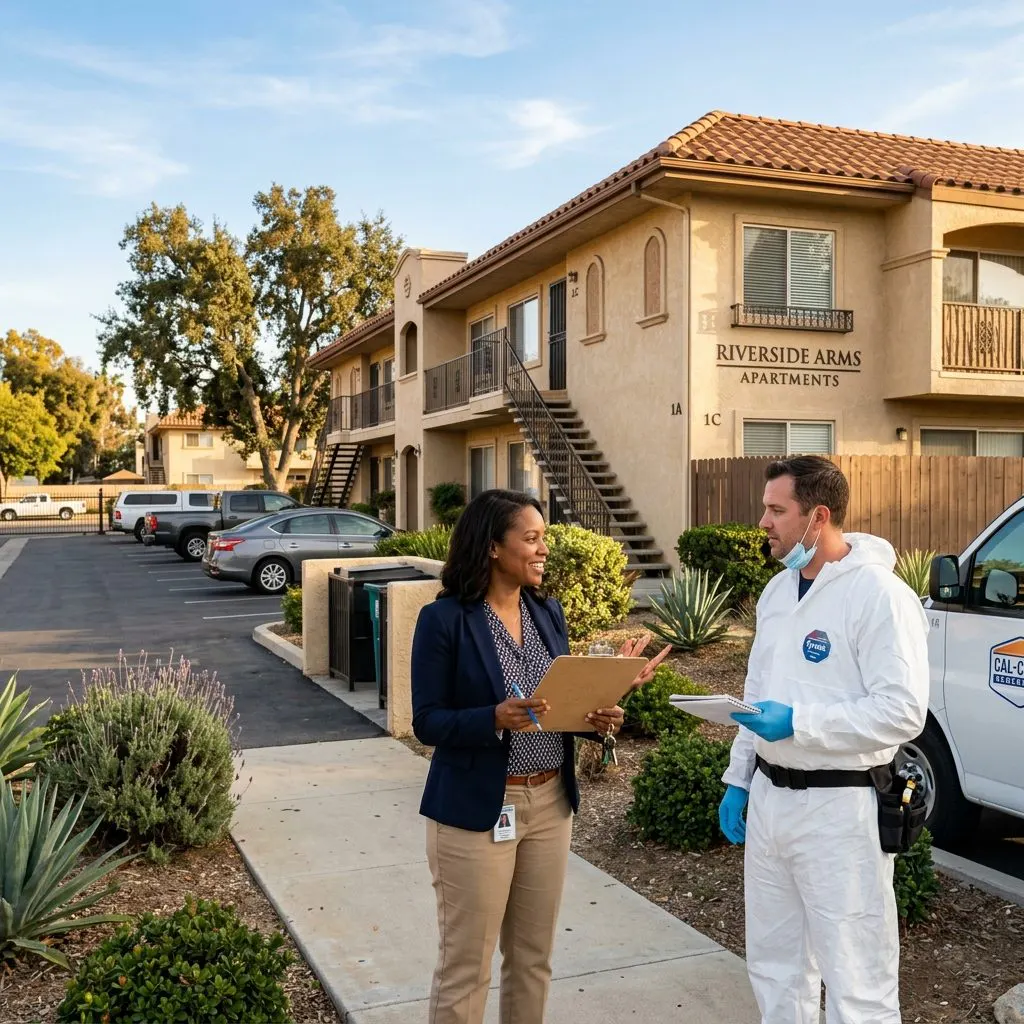
If you manage or own property in the Inland Empire and are dealing with an unattended death situation after scene release, expect the remediation scope to reflect the heat conditions. A professional team will assess not just the visibly affected area but surrounding materials, adjacent rooms, and HVAC ductwork for odor migration.
Material removal in heat-affected situations frequently extends beyond the immediate contamination area because porous materials absorb more deeply in extreme temperatures. Documentation of the scope of work — including photographs, material inventories, and waste manifests — supports conversations with insurance providers. Our professional cleanup support across California includes thorough documentation at every stage.
Frequently Asked Questions
Final Thoughts
The Inland Empire's extreme heat is not just a discomfort — it is a factor that directly affects the scope, complexity, and urgency of unattended death cleanup. Property owners and managers who understand this relationship can make faster, more informed decisions about professional remediation, potentially reducing the extent of building damage by acting promptly after scene release.