Estate executors and trustees managing unattended death cleanup in Sacramento properties should verify scene release, establish authorization for cleanup through probate or trust documentation, arrange professional remediation, request thorough documentation for probate records, protect personal property and estate contents during cleanup, and maintain records of all costs for estate accounting and potential insurance recovery.
The Estate Executor's Responsibility in Sacramento
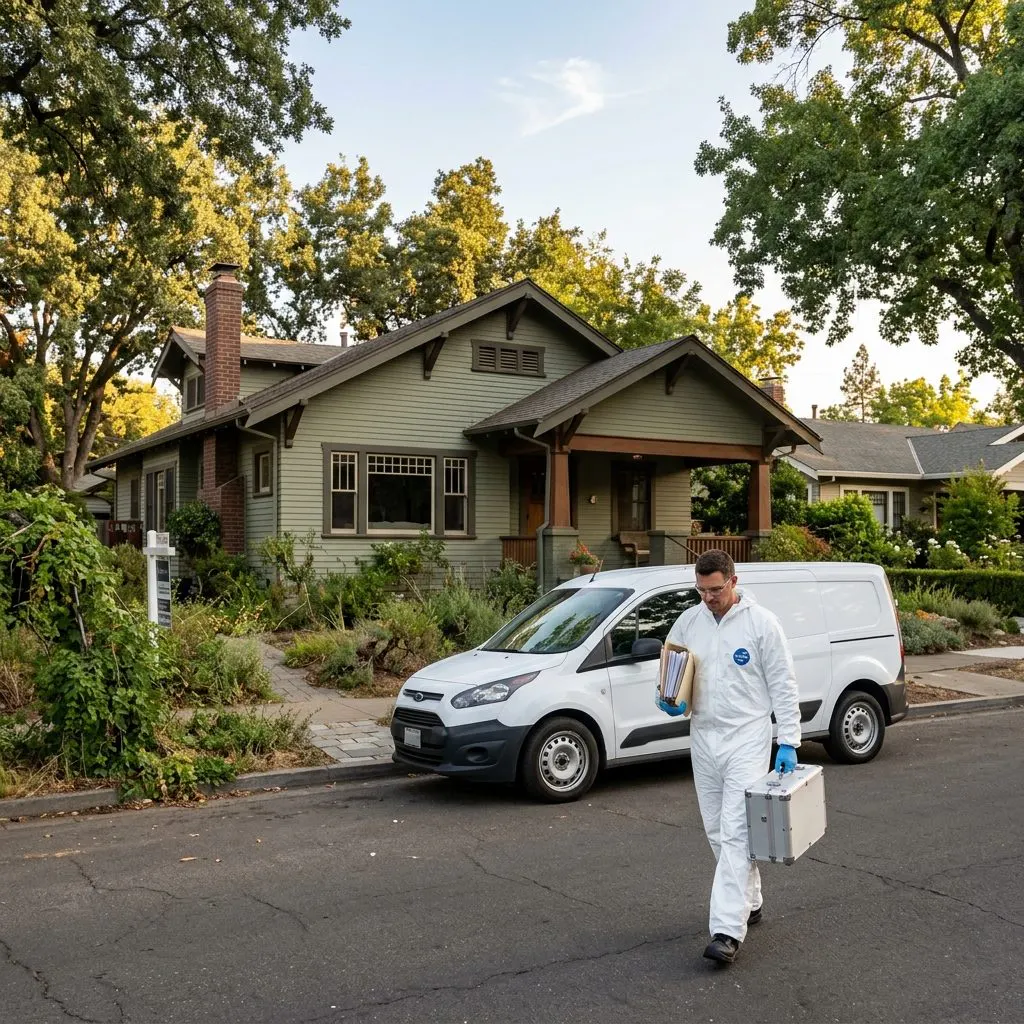
When an unattended death occurs in a Sacramento property — whether a 1930s bungalow in Curtis Park, a ranch home in Arden-Arcade, a newer subdivision home in Natomas, or a property in the established Pocket neighborhood — the estate executor or trustee becomes responsible for the property and its condition. This is often a family member who may live in another city or state, suddenly responsible for managing cleanup and restoration of a property they may not have visited recently.
Sacramento's warm Central Valley climate — with summer temperatures regularly above 100°F — can accelerate decomposition and odor development, making the timing of professional remediation particularly important. Every day of delay after scene release allows contamination to penetrate deeper into building materials, potentially increasing the scope and cost of remediation.
Sacramento estate executors managing unattended death cleanup need proper authorization, professional remediation that protects estate contents, and thorough documentation that satisfies probate, insurance, and property-sale requirements.
Authorization and Access for Estate Properties
Before cleanup can begin, the estate representative must establish proper authorization. Key steps include:
- Verify scene release: Confirm with the Sacramento County Coroner's office or investigating agency that the scene has been officially released and that the property can be accessed for cleanup
- Establish authorization: The executor named in the will, the trustee of a living trust, or a probate-appointed administrator has authority to arrange cleanup. Having these documents accessible helps prevent delays
- Coordinate access: Provide the remediation team with keys, alarm codes, and any access instructions. If the property is in a community with shared access (like some Sacramento condominium complexes or gated communities), arrange vendor access through the management office
When contacting the remediation company, have your executor or trustee documentation ready, along with the scene release confirmation. This allows the team to begin planning access and scheduling immediately rather than waiting for paperwork.
Protecting Estate Contents During Remediation
Estate properties often contain personal valuables, financial documents, family heirlooms, and items of sentimental value that must be protected during cleanup. Professional remediation teams inventory and relocate unaffected contents away from the work area before beginning material removal. Items that are contaminated are documented separately for estate records and insurance purposes. This is particularly important in Sacramento estate properties where the deceased may have lived for decades and accumulated significant personal property. Our professional trauma remediation for California properties includes careful contents handling as a standard part of the service.
An estate executor managing cleanup from another city needs a remediation team that functions as their on-site representative — handling logistics, protecting property, and documenting everything for the probate record.
Documentation for Probate and Insurance
Estate executors need documentation that serves multiple purposes: probate court filings, estate accounting, insurance claims, and potential property sale preparation. Professional remediation companies should provide detailed records including initial condition photographs, a written scope of work, material removal inventories, waste disposal documentation, completion photographs, and itemized invoices.
In Sacramento, where the real estate market means estate properties often have significant value, proper remediation and documentation support the executor's ability to prepare the property for sale, transfer, or rental. Insurance recovery for remediation costs can offset estate expenses, but requires the documentation standard that professional companies provide. For complete compassionate unattended death remediation with probate-ready documentation, our team supports estate representatives throughout the process.
Frequently Asked Questions
Final Thoughts
Managing an unattended death in a Sacramento estate property is one of the most challenging responsibilities an executor or trustee can face. The combination of emotional weight, logistical complexity, and financial accountability requires a systematic approach: verify scene release, establish authorization, engage professional remediation, protect estate contents, and document everything. The right remediation team helps carry this burden by handling the on-site work while the executor manages the broader estate responsibilities.