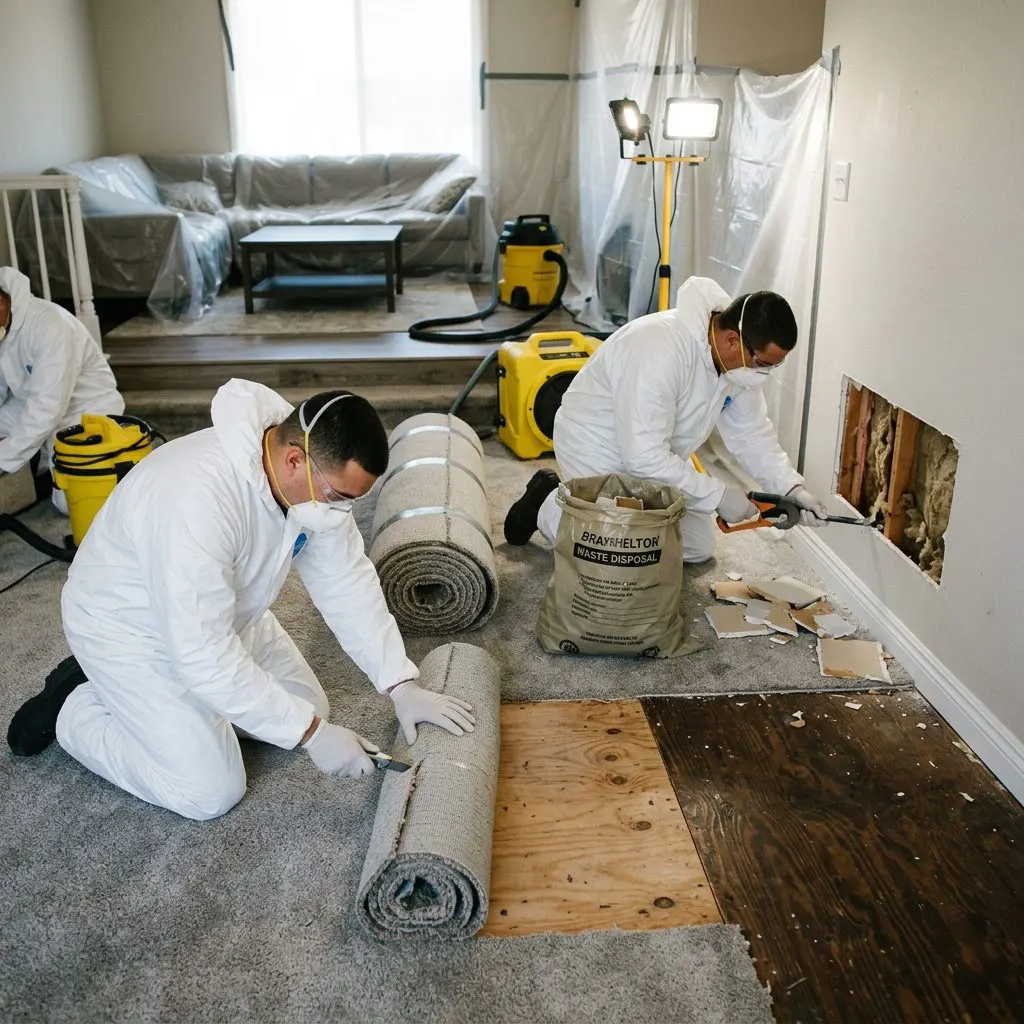
When dealing with what happens to carpet, drywall and subflooring during blood cleanup?, property owners should engage a professional remediation team experienced with California conditions. Professional teams assess the full extent of contamination, establish containment, remove affected porous materials, apply EPA-registered disinfectants, and package regulated trauma scene waste for transport through California-compliant channels.
Understanding What Happens to Carpet, Drywall and Subflooring During Blood Cleanup?
What Happens to Carpet, Drywall and Subflooring During Blood Cleanup? presents unique challenges for property owners and managers in California. The combination of local conditions, property types, and regulatory requirements means that professional remediation is typically the most effective and safe approach to restoring the property after a traumatic event.
Whether you are a homeowner, landlord, property manager, estate executor, or commercial facility manager, understanding how professional cleanup works in your specific situation helps you make informed decisions during a difficult time. Every property and every situation is different, which is why professional assessment is the critical first step.
What Happens to Carpet, Drywall and Subflooring During Blood Cleanup? requires professional expertise that accounts for local conditions, property characteristics, and California regulatory requirements. Understanding these factors helps property owners make informed decisions.
Key Considerations for Property Owners
Several factors influence how professional remediation is planned and executed for this type of situation in California:
- Scene release timing: Cleanup begins only after the appropriate authority officially releases the scene. This ensures the investigation is complete and the remediation team can work without interfering with evidence collection
- Material assessment: Professional teams evaluate which materials can be cleaned and disinfected versus which must be removed due to contamination penetration depth
- Regulated waste handling: All trauma scene waste must be packaged, labeled, and transported according to California regulations through registered haulers to permitted treatment facilities
Document everything from the moment you learn about the situation. Photographs, written communications, and official documents all support insurance claims and provide a record that protects your interests as a property owner.
Documentation and Insurance Support
Professional remediation companies provide thorough documentation including initial condition photographs, written scope of work, material removal inventories, waste disposal records, and completion photographs. This documentation supports insurance claims, estate accounting, and property management records. Our professional post-incident cleaning support includes comprehensive documentation as a standard part of every project.
Professional remediation is not just about cleaning — it is about restoring the property to a safe, habitable condition while protecting everyone involved in the process.
Professional Remediation in California
The specific conditions in California — including local climate, property construction types, building access requirements, and community characteristics — all influence how professional remediation teams approach each situation. Teams experienced with California properties understand these local factors and plan their approach accordingly.
From initial assessment through final walkthrough, every step is planned to address the property's specific needs while maintaining the privacy and dignity that the situation requires. Our professional trauma remediation teams bring this local knowledge to every project.
Frequently Asked Questions
Final Thoughts
What Happens to Carpet, Drywall and Subflooring During Blood Cleanup? is a situation that property owners hope they never face — but when it happens, understanding the process and engaging professional help promptly makes a meaningful difference in the outcome. Professional remediation teams exist to carry this burden so property owners can focus on the human aspects of the situation.